

The evolution of gambling A journey through time and its cultural impact
The Origins of Gambling
The roots of gambling can be traced back to ancient civilizations, where games of chance were often linked to religious rituals and social gatherings. Archaeological findings suggest that dice made from animal bones were used as far back as 3000 BC in Mesopotamia, indicating that the thrill of taking risks has been an integral part of human experience for millennia. These early forms of gambling were not merely for entertainment; they often held significant cultural and spiritual meaning. Today, you can also explore online casino south africa as a modern extension of this age-old practice.

In ancient China, around 2300 BC, the practice of gambling gained popularity, particularly through games involving tiles and betting on outcomes. The Han Dynasty saw the emergence of keno, a lottery-style game that later evolved into modern lottery systems. Similarly, ancient Romans indulged in various betting activities, from chariot races to gladiatorial contests, embedding gambling deeply within their societal fabric. These early forms illustrate how gambling was intertwined with daily life and community identity.
As societies evolved, so did the methods and motivations behind gambling. The Middle Ages witnessed a transition towards more structured forms, such as card games that would eventually spread across Europe. These games laid the groundwork for modern gambling practices, highlighting the adaptability of gambling to fit cultural contexts and technological advancements throughout history. From rudimentary dice games to complex card games, the evolution of gambling reflects human creativity and societal changes over time.
Gambling in the Modern Era
The 19th century marked a significant turning point in the evolution of gambling, particularly with the establishment of casinos. The first official casino, the Casino di Venezia, opened its doors in 1638, but it was in the 1800s that gambling took on a more organized and commercial aspect. The rise of Las Vegas in the 20th century revolutionized the gambling industry, transforming it into a global phenomenon. Las Vegas became synonymous with entertainment and luxury, leading to an explosion of casino culture.
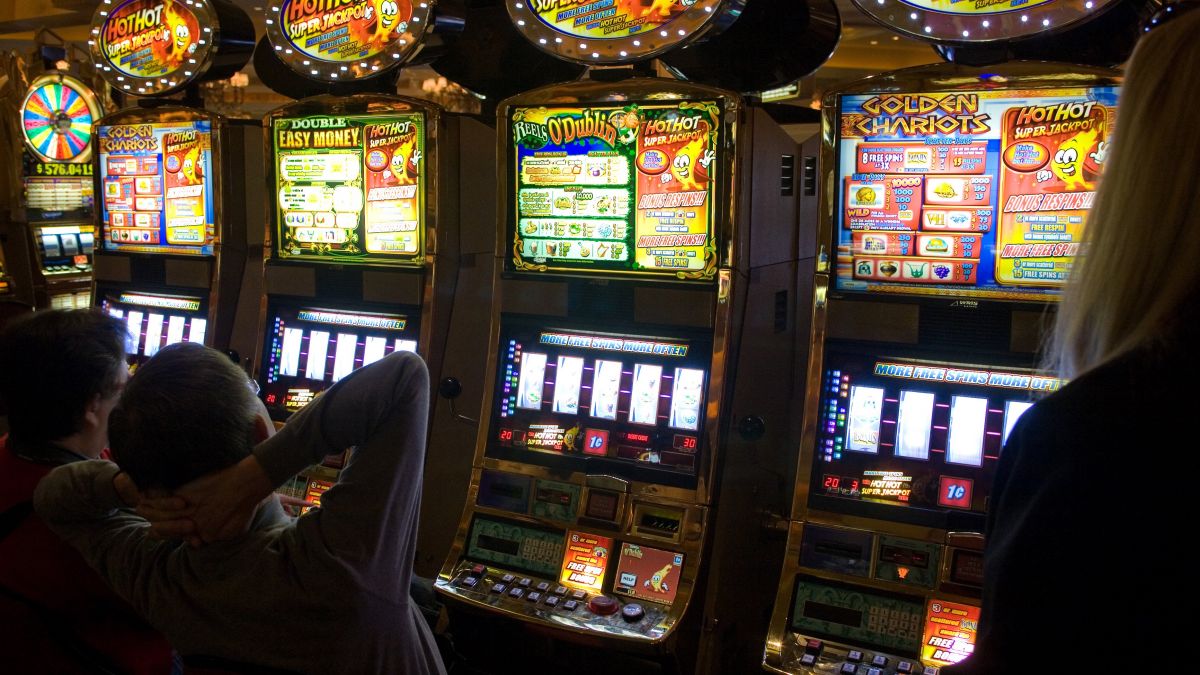
The introduction of slot machines in the early 20th century further democratized gambling, making it accessible to a broader audience. These machines, characterized by their simple mechanics and instant gratification, appealed to various social classes and contributed to the rapid growth of gambling establishments. This accessibility not only fueled economic growth in many regions but also brought about discussions concerning gambling addiction and its societal implications.
In recent decades, online gambling has emerged as a dominant force, reshaping the gambling landscape once again. The development of internet technology in the late 1990s led to the establishment of numerous online casinos, allowing players to enjoy their favorite games from the comfort of their homes. This shift has raised questions about regulation, security, and the cultural perception of gambling in a digital age, emphasizing the need for responsible gaming practices as the industry continues to evolve.
The Cultural Impact of Gambling
Gambling has profoundly influenced various aspects of culture, from literature and film to art and music. The allure of chance and risk has inspired countless narratives, with classic works like Dostoevsky’s “The Gambler” exploring the psychological complexities of addiction and morality. Movies such as “Casino Royale” and “The Hangover” showcase how gambling can serve as a backdrop for dramatic storytelling, weaving themes of fortune, luck, and human behavior into their plots.
Moreover, gambling has shaped social interactions and community dynamics. In many cultures, gambling is not just an individual pastime; it acts as a social glue that brings people together. From poker nights among friends to larger community events centered around local lotteries, gambling fosters a sense of camaraderie and shared experience. However, this communal aspect also carries risks, as issues like gambling addiction can create rifts and challenges within families and communities.
The cultural portrayal of gambling also fluctuates, reflecting societal attitudes towards risk and reward. While some cultures celebrate gambling as a form of entertainment and excitement, others view it with skepticism, associating it with moral decay and financial ruin. This duality illustrates the complex relationship between gambling and cultural identity, showing how different societies navigate the fine line between enjoyment and excess.
The Future of Gambling
The future of gambling is poised for dramatic transformation, driven by technological advancements and shifting societal norms. With the rise of artificial intelligence and virtual reality, immersive gambling experiences are becoming increasingly popular. Players can now engage with virtual casinos that simulate real-world environments, enhancing the thrill of gambling while opening doors for new types of gaming experiences. This technology not only appeals to a younger demographic but also offers opportunities for responsible gaming initiatives.
Additionally, the growing acceptance of gambling in mainstream culture suggests a shift in societal attitudes. Legalization efforts around the globe are paving the way for regulated markets, providing safer environments for players. This evolution may lead to increased tax revenues for governments and opportunities for social programs aimed at combating gambling addiction. The interplay between regulation and freedom will shape the future landscape of gambling, emphasizing the need for balance.
As the gambling industry continues to evolve, it will be essential to consider its cultural ramifications. The integration of online platforms and mobile technology has democratized access, but it also necessitates a dialogue about ethics and responsibility. Awareness campaigns and education about responsible gambling will play a critical role in ensuring that the evolution of gambling aligns with societal well-being and cultural integrity.
Your Go-To Source for Gambling Insights
As gambling continues to evolve, finding a reliable source of information is crucial for navigating this dynamic landscape. Our website offers comprehensive guides and resources to help you stay informed about the latest trends in gambling. From reviews of the best online casinos to insights into emerging technologies, we provide valuable content tailored to your interests.
We prioritize your safety and enjoyment, ensuring that our information is accurate and up-to-date. Our curated list of top-rated gambling platforms reflects our commitment to quality and security, giving you confidence as you explore the world of online gaming. We understand the complexities of gambling, and we are here to guide you every step of the way.
Join us on this journey through the fascinating evolution of gambling, where tradition meets innovation. Whether you’re a seasoned player or just starting, our resources will empower you to make informed decisions and enjoy the thrill of gambling responsibly. Explore with us and discover the exciting possibilities that lie ahead in the realm of gambling.